

Robust Health & Safety Policy
At Loft Conversion Services, we are committed to maintaining high standards of health and safety throughout every loft conversion project we undertake in Chiswick and across London. We recognise that construction work can involve significant risks, particularly when working at height, handling materials and operating around occupied properties.

Our approach is to identify potential hazards before work begins, put appropriate control measures in place and ensure that work is carried out responsibly by competent people. The safety of our employees, contractors, clients, visitors and members of the public is an important consideration throughout every stage of a project.
Our Commitment to Health and Safety
We aim to conduct all loft conversion work in a manner that protects people from avoidable injury and reduces risks to health, property and the surrounding environment. Our site practices are designed to support compliance with applicable UK health and safety legislation and construction requirements.
Health and safety considerations are incorporated into project planning, site preparation, construction activities and completion. Where specialist trades or contractors are involved, we expect them to work safely and follow the relevant requirements for their activities.
Risk Assessment and Site Planning

Potential hazards are considered before and during construction. Depending on the nature of the project, risks may include working at height, falling materials, structural work, dust, noise, manual handling, electrical equipment, tools, machinery, restricted access and interaction with members of the public.
Appropriate control measures are introduced according to the risks identified. Site conditions are monitored throughout the project so that additional precautions can be taken if circumstances change.
Working at Height
Loft conversions frequently involve work at height, including access to roof spaces, installation of structural elements and work on roofs and upper levels. We take appropriate precautions to minimise the risk of falls and falling objects.
Suitable access equipment, edge protection, scaffolding and other protective measures are used where required. Work at height is planned and carried out by competent individuals using appropriate equipment and safe working practices.
Scaffolding and Access Equipment

Where scaffolding or other temporary access arrangements are required, they should be suitable for the work being undertaken and properly maintained. Access routes are kept as safe and clear as reasonably practicable.
Scaffolding, ladders, platforms and other access equipment are not used where they are unsuitable, damaged or present an unacceptable risk. Any defects or safety concerns should be addressed before the equipment is used.
Personal Protective Equipment
Appropriate personal protective equipment (PPE) is used where risks cannot be adequately controlled through other measures. Depending on the task, this may include safety footwear, protective headwear, gloves, eye protection, hearing protection, respiratory protection and suitable work clothing.
PPE is selected according to the hazards associated with the work and should be used correctly and maintained in suitable condition.
Tools, Plant and Equipment

Tools, machinery and construction equipment are used for their intended purposes and should be operated by people with appropriate competence and experience. Equipment is checked for obvious defects and concerns are addressed before continued use.
Electrical equipment and power tools are used responsibly, with attention given to cables, connections, guards and other safety features. Damaged or unsafe equipment should be removed from use until the issue has been resolved.
Manual Handling
Loft conversion projects can involve the movement of timber, plasterboard, insulation, tools and other construction materials. Manual handling risks are considered when planning how materials will be delivered, moved and stored.
Where reasonably practicable, suitable handling equipment or alternative methods are used to reduce unnecessary lifting and carrying. Workers are expected to use appropriate lifting techniques and seek assistance when a load is too heavy, awkward or difficult to handle safely.
Dust, Noise and Construction Hazards

Construction activities can generate dust and noise. Appropriate measures are taken to minimise exposure and reduce disruption to clients, neighbours, workers and other people near the site.
Suitable ventilation, dust-control methods, respiratory protection and other precautions may be used where appropriate. Noisy activities are managed responsibly, particularly when work takes place close to occupied properties.
Fire Safety
Fire risks are considered as part of site planning and day-to-day working practices. Combustible materials are stored responsibly, ignition sources are controlled and escape routes are kept as clear as reasonably practicable.
Where hot works or other activities create an increased fire risk, appropriate precautions are taken before work begins. Workers are expected to report fire hazards immediately and follow the relevant site arrangements.
Electrical Safety

Electrical work associated with a loft conversion should be carried out by suitably competent and appropriately qualified individuals where required. Electrical equipment used on site should be maintained in safe working condition.
Temporary electrical arrangements, cables, sockets and power tools are managed to reduce the risk of electric shock, trips, damage and other hazards.
Site Housekeeping
Good housekeeping is an important part of maintaining a safe construction environment. Work areas, access routes and stairways should be kept as clear as reasonably practicable.
Waste materials, packaging, tools and construction debris are managed throughout the project rather than being allowed to accumulate unnecessarily. Particular care is taken around entrances, walkways and areas used by clients or other occupants.
Protection of Clients, Visitors and the Public
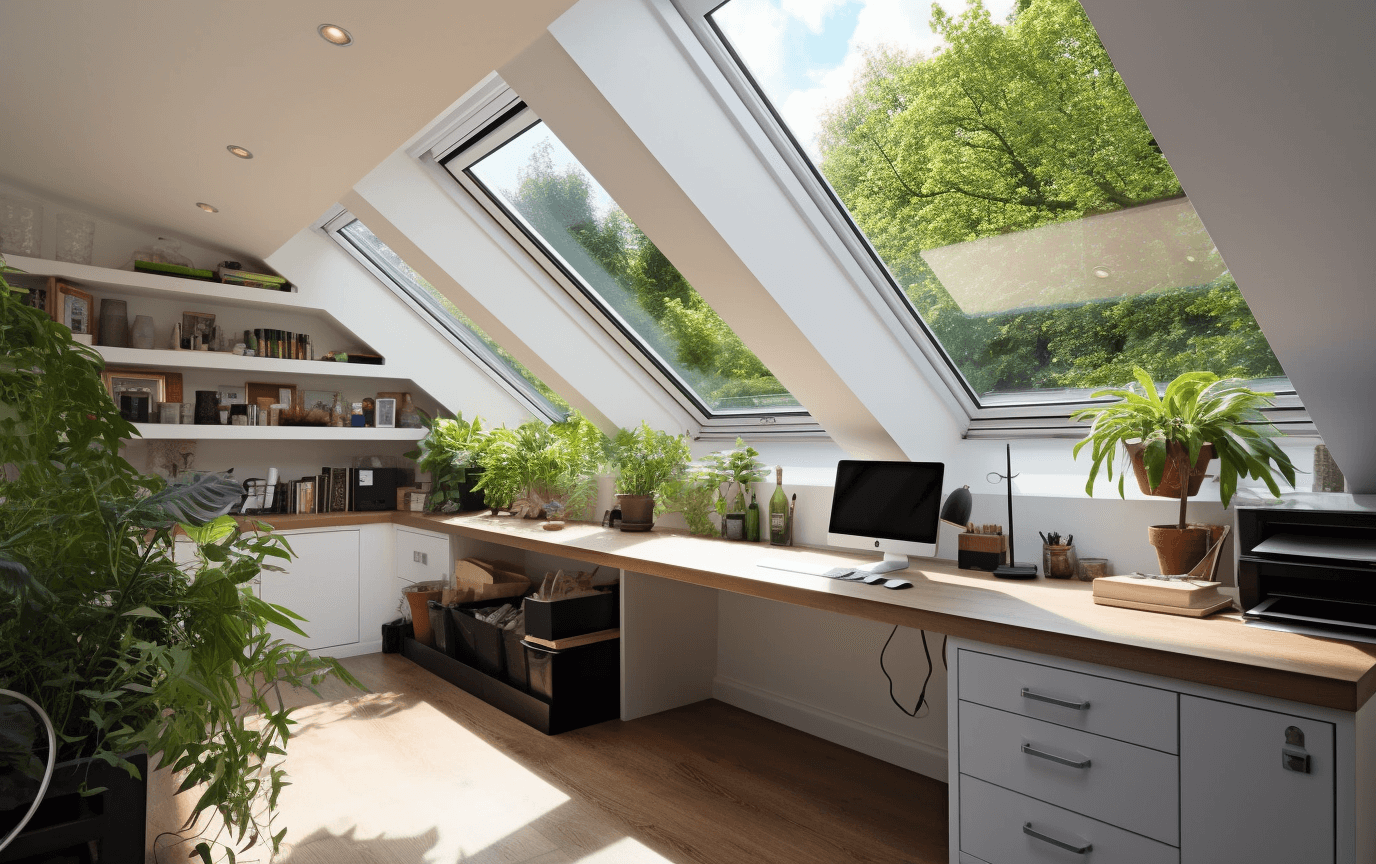
Loft conversion work may take place while a property remains occupied. We therefore take reasonable steps to separate construction activities from areas being used by clients, residents and visitors.
Where appropriate, hazardous areas are restricted or clearly identified. Clients and visitors should follow site instructions and avoid entering restricted areas unless authorised and accompanied where necessary.
Children and Vulnerable Persons
Construction sites can contain hazards that are not suitable for children or people who are unfamiliar with construction environments. Clients should ensure that children and other visitors do not enter active work areas.
Where a project is carried out at an occupied property, appropriate arrangements should be discussed to help keep residents and visitors away from hazardous areas.
Substances and Hazardous Materials

Construction projects may involve substances that require appropriate handling, storage and control. Relevant risks are considered before substances are used, and suitable precautions are implemented where necessary.
Products should be used in accordance with the manufacturer’s instructions and relevant safety information. Workers should use appropriate protective measures when handling substances that could present a risk to health.
Competent Contractors and Tradespeople
We expect contractors and tradespeople working on our projects to have the appropriate skills, experience and competence for the work they undertake. They are responsible for following relevant health and safety requirements and for using suitable equipment and working practices.
Where specialist work requires specific qualifications, registration or certification, appropriate competent persons should be engaged to carry out that work.
Emergency Procedures and Incident Reporting

Everyone working on a project is expected to respond responsibly to accidents, near misses, hazards and other safety concerns. Incidents should be reported promptly so that appropriate action can be taken and similar risks can be reduced.
Emergency access and evacuation arrangements should be considered where relevant to the site. Workers should familiarise themselves with the arrangements applicable to the project and raise any concerns that could affect emergency response.
Health and Safety Responsibilities
Health and safety is a shared responsibility. Loft Conversion Services is committed to providing appropriate planning, supervision and safe working arrangements for the projects we undertake.
Workers, contractors and other people involved in a project are expected to take reasonable care of their own safety and the safety of others who may be affected by their activities. Unsafe conditions, defective equipment or other hazards should be reported as soon as they are identified.
Construction Health and Safety Requirements

Where applicable, our projects are planned with relevant UK construction health and safety requirements in mind, including the Construction (Design and Management) Regulations 2015 and other applicable legislation and guidance.
The specific health and safety arrangements for a project will depend on its size, complexity, location, construction methods and the people involved. Where the project falls within the scope of additional statutory requirements, the appropriate duties and arrangements will be considered.
Review of This Policy
This health and safety policy is reviewed periodically and may be updated when our working practices, legal requirements or the nature of our projects change.
Our objective is to maintain a responsible approach to construction safety and to ensure that health and safety remains an integral part of the loft conversion process from initial planning through to project completion.